

วาล์วลูกบอลโดยหลักแล้วทำหน้าที่เป็นอุปกรณ์เปิด/ปิด การออกแบบของมันจำกัดความสามารถในการควบคุมการไหลอย่างแม่นยำ ข้อจำกัดนี้อาจส่งผลกระทบต่อประสิทธิภาพในการใช้งานด้านการป้องกันอัคคีภัยบางประเภท ต่อไปนี้เป็นประเด็นสำคัญบางประการเกี่ยวกับวาล์วลูกบอลfire protection valvesของวาล์วลูกบอล:ฟังก์ชันเปิด/ปิดวาล์วลูกบอลมีข้อดีคือสามารถปิดหรือเปิดการไหลของของเหลวได้อย่างรวดเร็ว อย่างไรก็ตาม วาล์วลูกบอลทำงานได้ไม่ดีเมื่อผู้ใช้งานต้องการปรับอัตราการไหลอย่างค่อยเป็นค่อยไปปัญหาการจำกัดความเร็วเมื่อเปิดวาล์วลูกบอลเพียงบางส่วน อาจทำให้เกิดการไหลปั่นป่วน ซึ่งอาจทำให้ความดันลดลงและอัตราการไหลไม่สม่ำเสมอ พฤติกรรมเช่นนี้อาจขัดขวางประสิทธิภาพของระบบดับเพลิงได้การควบคุมการไหลวาล์วลูกบอลไม่เหมาะสำหรับงานที่ต้องการการควบคุมการไหลอย่างละเอียด เนื่องจากดีไซน์ของวาล์วลูกบอลไม่เอื้อต่อการปรับเปลี่ยนทีละน้อย ข้อจำกัดนี้อาจเป็นปัญหาในสถานการณ์ที่การจ่ายน้ำอย่างแม่นยำเป็นสิ่งสำคัญเคล็ดลับสำหรับงานที่ต้องการควบคุมการไหล ควรพิจารณาใช้วาล์วประตูหรือวาล์วประเภทอื่น ๆ ที่ออกแบบมาเพื่อควบคุมการไหล
ตารางด้านล่างนี้สรุปความสามารถในการควบคุมการไหลของวาล์วบอลเมื่อเปรียบเทียบกับวาล์วประตู:
- วาล์วชนิด
- ความสามารถในการควบคุมการไหล
- กรณีการใช้งานที่เหมาะสม
- วาล์วลูกบอลจำกัด
- บริการเปิด/ปิดวาล์วประตู
ปานกลาง
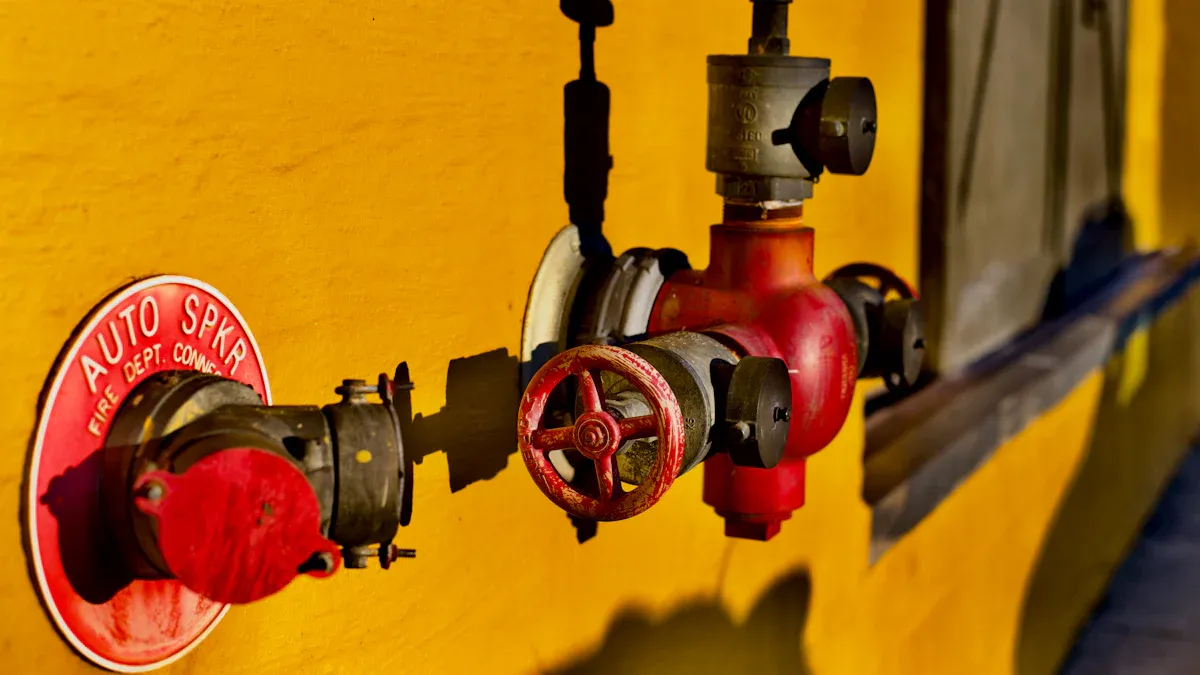
การควบคุมปริมาณการไหลและการควบคุมอัตราการไหลการประยุกต์ใช้งานในระบบดับเพลิงวาล์วป้องกันอัคคีภัยมีบทบาทสำคัญในระบบป้องกันอัคคีภัยหลากหลายรูปแบบ การเลือกใช้วาล์วขึ้นอยู่กับข้อกำหนดการใช้งานเฉพาะและลักษณะของกลยุทธ์การป้องกันอัคคีภัย ด้านล่างนี้คือตัวอย่างการใช้งานที่สำคัญของทั้งวาล์วประตูและวาล์วบอลในระบบป้องกันอัคคีภัย:
| 1. ระบบหัวฉีดดับเพลิง | Ball Valves | Gate Valves |
|---|---|---|
| ระบบท่อจ่ายน้ำดับเพลิง ซึ่งพบได้ทั่วไปในอาคารพาณิชย์ อาศัยวาล์วป้องกันอัคคีภัยเพื่อให้แน่ใจว่ามีน้ำเพียงพอสำหรับการดับเพลิง วาล์วแบบประตูมักใช้เพื่อแยกส่วนต่างๆ ของระบบ ในขณะที่วาล์วแบบลูกบอลช่วยให้ใช้งานได้อย่างรวดเร็วเพื่อเข้าถึงน้ำได้ทันที | 3. ระบบหัวจ่ายน้ำดับเพลิง | ระบบหัวจ่ายน้ำดับเพลิงจำเป็นต้องมีวาล์วที่เชื่อถือได้และมีประสิทธิภาพ เพื่อให้เจ้าหน้าที่ดับเพลิงสามารถเข้าถึงน้ำได้อย่างรวดเร็ว โดยทั่วไปแล้ว วาล์วแบบประตูจะติดตั้งอยู่ที่ท่อส่งน้ำหลักเพื่อควบคุมการไหลของน้ำไปยังหัวจ่ายน้ำดับเพลิง นอกจากนี้ อาจใช้บอลวาล์วเพื่อปิดน้ำอย่างรวดเร็วในสถานการณ์ฉุกเฉินได้เช่นกัน |
| 4. ระบบป้องกันน้ำท่วมและระบบเตรียมรับมือล่วงหน้า | ในระบบดับเพลิงแบบฉีดน้ำปริมาณมากและแบบเตรียมการล่วงหน้า วาล์วป้องกันอัคคีภัยมีบทบาทสำคัญในการควบคุมการไหลของน้ำไปยังหัวฉีดสปริงเกลอร์ วาล์วแบบประตูสามารถแยกส่วนต่างๆ ของระบบเพื่อการบำรุงรักษา ในขณะที่วาล์วแบบลูกบอลช่วยให้สามารถเปิดใช้งานการไหลของน้ำได้อย่างรวดเร็วเมื่อจำเป็น | 5. การประยุกต์ใช้ในอุตสาหกรรม |
| Flow Regulation | 6. การป้องกันอัคคีภัยในที่พักอาศัย | ระบบป้องกันอัคคีภัยในที่พักอาศัยยังได้รับประโยชน์จากการใช้วาล์วป้องกันอัคคีภัยด้วย วาล์วแบบประตูให้ความสามารถในการปิดกั้นที่เชื่อถือได้ ในขณะที่วาล์วแบบลูกบอลช่วยให้เข้าถึงแหล่งจ่ายน้ำได้อย่างรวดเร็วสำหรับการดับเพลิง |
| Durability | เมื่อเลือกวาล์วสำหรับระบบป้องกันอัคคีภัย ควรพิจารณาถึงการใช้งานเฉพาะและข้อกำหนดในการใช้งาน วาล์วแต่ละประเภทมีข้อดีเฉพาะตัวที่สามารถช่วยเพิ่มประสิทธิภาพของระบบได้ | สถานการณ์ที่เหมาะสมสำหรับการใช้งานวาล์วประตู |
| วาล์วประตูมีประสิทธิภาพเป็นพิเศษในสถานการณ์ต่างๆ ภายในระบบป้องกันอัคคีภัย การออกแบบและฟังก์ชันการทำงานของวาล์วประตูทำให้เหมาะสำหรับการใช้งานเฉพาะด้านต่างๆ | การควบคุมการไหลที่เชื่อถือได้ | เป็นสิ่งจำเป็น ต่อไปนี้คือสถานการณ์ที่เหมาะสมสำหรับการใช้ประตูวาล์ว: |
การแยกระบบจ่ายน้ำประปาหลัก
วาล์วประตูทำหน้าที่เป็นกลไกหลักในการปิดกั้นการจ่ายน้ำหลักในระบบดับเพลิง ช่วยให้สามารถปิดวาล์วได้อย่างสมบูรณ์ในระหว่างการบำรุงรักษาหรือเหตุฉุกเฉิน ทำให้มั่นใจได้ว่าระบบยังคงปลอดภัยและใช้งานได้การใช้งานภายใต้แรงดันสูงวาล์วประตู (Gate valve) มีประสิทธิภาพยอดเยี่ยมในสภาพแวดล้อมที่มีแรงดันสูง โครงสร้างที่แข็งแรงทนทานสามารถทนต่อแรงดันสูงได้โดยไม่ลดประสิทธิภาพการทำงาน ความทนทานนี้ทำให้เหมาะสำหรับใช้งานในโรงงานอุตสาหกรรม
ท่อขนาดใหญ่
วาล์วประตูมักใช้ในท่อส่งขนาดใหญ่ที่จำเป็นต้องควบคุมการไหล การออกแบบของวาล์วประตูช่วยลดการกีดขวางการไหล ทำให้สามารถส่งน้ำได้อย่างมีประสิทธิภาพในกรณีฉุกเฉิน
ระบบหัวจ่ายน้ำดับเพลิง
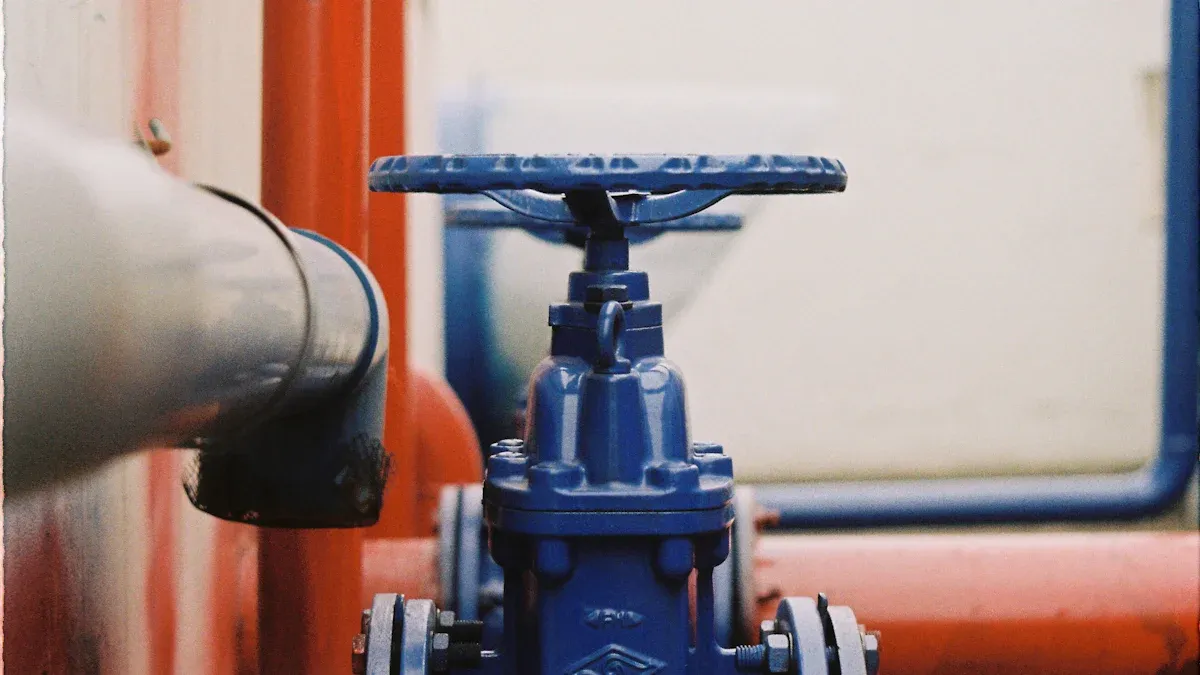
วาล์วประตูเป็นอุปกรณ์ที่นิยมติดตั้งในระบบหัวจ่ายน้ำดับเพลิง ทำหน้าที่แยกการจ่ายน้ำอย่างมีประสิทธิภาพ ทำให้เจ้าหน้าที่ดับเพลิงสามารถเข้าถึงน้ำได้อย่างรวดเร็วเมื่อจำเป็นวาล์วแบบประตูเหมาะสำหรับใช้ในการควบคุมการไหลหรือไม่?ในระบบท่อส่งน้ำดับเพลิง วาล์วประตูช่วยให้สามารถแยกส่วนต่างๆ ของระบบได้ ความสามารถนี้มีความสำคัญอย่างยิ่งต่อการบำรุงรักษา และช่วยให้มั่นใจได้ว่าส่วนอื่นๆ ของระบบยังคงใช้งานได้ต่อไป
- Ball Valvesเมื่อเลือกวาล์วประตูสำหรับระบบป้องกันอัคคีภัย ควรพิจารณาถึงการใช้งานเฉพาะและข้อกำหนดในการใช้งาน ความสามารถในการปิดกั้นได้อย่างน่าเชื่อถือและทนต่อแรงดันสูงทำให้วาล์วเหล่านี้เป็นส่วนประกอบที่มีคุณค่าในสถานการณ์ต่างๆ
- Gate Valvesวาล์วลูกบอลมีประสิทธิภาพอย่างยิ่งในสถานการณ์ต่างๆ ภายในระบบป้องกันอัคคีภัย การออกแบบและประสิทธิภาพในการทำงานทำให้เหมาะสำหรับงานเฉพาะที่ต้องการการตอบสนองที่รวดเร็วและความน่าเชื่อถือ ด้านล่างนี้คือสถานการณ์ที่เหมาะสมสำหรับการใช้วาล์วลูกบอล:
ระบบตัดไฟฉุกเฉิน
วาล์วลูกบอลมีประสิทธิภาพดีเยี่ยมในสถานการณ์ที่ต้องการปิดอย่างรวดเร็ว การหมุนเพียงหนึ่งในสี่รอบช่วยให้ปิดได้ทันที ซึ่งมีความสำคัญอย่างยิ่งในเหตุฉุกเฉินไฟไหม้ นักดับเพลิงสามารถเข้าถึงแหล่งน้ำได้อย่างรวดเร็ว ทำให้สามารถตอบสนองได้อย่างฉับไว
ระบบแรงดันสูงวาล์วแบบประตูเหมาะสำหรับใช้ในการควบคุมการไหลหรือไม่?ท่อส่งน้ำ
Gate Valves
- สำหรับระบบป้องกันอัคคีภัย ควรพิจารณาถึงการทำงานที่รวดเร็วและการลดแรงดันต่ำ คุณสมบัติเหล่านี้ช่วยเพิ่มประสิทธิภาพและความน่าเชื่อถือโดยรวมของระบบในระบบดับเพลิงแบบสปริงเกลอร์ วาล์วลูกบอลช่วยให้การทำงานรวดเร็วขึ้น โดยจะส่งน้ำไปยังสปริงเกลอร์ได้ทันที ทำให้ประสิทธิภาพในการดับเพลิงเพิ่มขึ้น
- ระบบน้ำท่วมวาล์วลูกบอลมีบทบาทสำคัญในระบบดับเพลิงแบบฉีดน้ำปริมาณมาก ซึ่งจำเป็นต้องปล่อยน้ำอย่างรวดเร็ว การออกแบบของวาล์วลูกบอลช่วยให้ใช้งานได้อย่างรวดเร็ว ทำให้มั่นใจได้ว่าน้ำจะไปถึงพื้นที่ที่ต้องการโดยไม่ล่าช้า
- การตอบสนองอย่างรวดเร็วในระหว่างเกิดเพลิงไหม้: เมื่อไร
Ball Valves
- สำหรับระบบป้องกันอัคคีภัย ควรพิจารณาถึงการทำงานที่รวดเร็วและการลดแรงดันต่ำ คุณสมบัติเหล่านี้ช่วยเพิ่มประสิทธิภาพและความน่าเชื่อถือโดยรวมของระบบประเภทแอปพลิเคชัน
- ประโยชน์หลักระบบตัดไฟฉุกเฉิน
- การตอบสนองอย่างรวดเร็วในระหว่างเกิดเพลิงไหม้ระบบแรงดันสูงรักษาความซื่อสัตย์สุจริตภายใต้ความกดดันท่อส่งน้ำ
Tipระบบสปริงเกลอร์
เปิดใช้งานการไหลของน้ำทันที
ระบบน้ำท่วม
- ปล่อยน้ำอย่างรวดเร็วเพื่อลดแรงดันประสิทธิภาพโดยรวมของระบบดับเพลิง
- ประสิทธิภาพของวาล์วป้องกันอัคคีภัย
- วาล์วประตูและวาล์วลูกบอลมีผลกระทบอย่างมากต่อประสิทธิภาพของระบบดับเพลิง ทั้งวาล์วประตูและวาล์วลูกบอลมีบทบาทสำคัญในการรับประกันการไหลของน้ำที่เชื่อถือได้ในระหว่างเหตุฉุกเฉิน คุณลักษณะเฉพาะของวาล์วเหล่านี้ช่วยเพิ่มประสิทธิภาพโดยรวมของการดับเพลิงวาล์วประตูมีความโดดเด่นในงานที่ต้องการการปิดกั้นการไหลอย่างสมบูรณ์ เป็นวิธีการที่เชื่อถือได้ในการแยกส่วนต่างๆ ของระบบป้องกันอัคคีภัย ความสามารถนี้มีความสำคัญอย่างยิ่งในระหว่างการบำรุงรักษาหรือเหตุฉุกเฉิน วาล์วประตูรองรับการไหลได้สูง ทำให้มั่นใจได้ว่าน้ำจะไปถึงพื้นที่สำคัญเมื่อจำเป็น โครงสร้างที่แข็งแรงทนทานต่อแรงดันสูง ทำให้เหมาะสำหรับสภาพแวดล้อมต่างๆ
- ในทางกลับกัน วาล์วลูกบอลมีข้อดีคือการทำงานที่รวดเร็วและแรงดันตกต่ำ กลไกการหมุนเพียงหนึ่งในสี่รอบช่วยให้เข้าถึงแหล่งจ่ายน้ำได้อย่างรวดเร็ว ซึ่งมีความสำคัญอย่างยิ่งในระหว่างเหตุการณ์เพลิงไหม้ นักดับเพลิงสามารถเปิดใช้งานวาล์วลูกบอลได้อย่างรวดเร็ว ทำให้มั่นใจได้ว่าน้ำจะไหลเข้าสู่ท่อได้ทันทีการไหลของน้ำ
- การตอบสนองที่รวดเร็วนี้สามารถสร้างความแตกต่างอย่างมากในการควบคุมเพลิงได้อย่างมีประสิทธิภาพ นอกจากนี้ วาล์วลูกบอลยังรักษาการปิดผนึกที่ป้องกันการรั่วซึม ป้องกันการสูญเสียน้ำ และเพิ่มความน่าเชื่อถือของระบบประสิทธิภาพในภาวะฉุกเฉิน
ในสถานการณ์ฉุกเฉิน ประสิทธิภาพของวาล์วป้องกันอัคคีภัยมีความสำคัญอย่างยิ่ง ทั้งวาล์วประตูและวาล์วลูกบอลต่างมีบทบาทที่แตกต่างกันในการรับประกันประสิทธิภาพในการดับเพลิง
ลักษณะการทำงานสามารถส่งผลกระทบอย่างมากต่อผลลัพธ์ของกิจกรรมการดับเพลิงได้วาล์วประตู
| Valve Type | วาล์วลูกบอล | ในทางตรงกันข้าม วาล์วลูกบอลทำงานได้อย่างรวดเร็ว กลไกการหมุนเพียงหนึ่งในสี่รอบช่วยให้สามารถเข้าถึงแหล่งจ่ายน้ำได้ทันที การเปิดใช้งานอย่างรวดเร็วนี้มีความสำคัญอย่างยิ่งในระหว่างเหตุการณ์เพลิงไหม้ ซึ่งเวลาเป็นสิ่งสำคัญ นักดับเพลิงสามารถเปิดวาล์วลูกบอลได้อย่างรวดเร็ว ทำให้มั่นใจได้ว่าน้ำจะไหลไปยังพื้นที่ที่ต้องการโดยไม่ล่าช้า นอกจากนี้ วาล์วลูกบอลยังรักษาแรงดันตกต่ำ ซึ่งช่วยรักษาแรงดันน้ำทั่วทั้งระบบ |
|---|---|---|
| Gate Valve | : เชื่อถือได้ในเรื่องการปิดระบบอย่างสมบูรณ์ แต่การทำงานจะช้ากว่า | : เชื่อถือได้ในเรื่องการปิดระบบอย่างสมบูรณ์ แต่การทำงานจะช้ากว่า |
| Ball Valve | ความน่าเชื่อถือในระยะยาวของวาล์วป้องกันอัคคีภัย | ความน่าเชื่อถือในระยะยาวของวาล์วป้องกันอัคคีภัย |
ความน่าเชื่อถือในระยะยาวมีความสำคัญอย่างยิ่งสำหรับวาล์วป้องกันอัคคีภัย เนื่องจากชิ้นส่วนเหล่านี้มีบทบาทสำคัญในการรับรองความปลอดภัยในระหว่างเหตุฉุกเฉิน ทั้งวาล์วประตูและวาล์วลูกบอลต่างมีลักษณะเฉพาะที่ส่งผลต่อความน่าเชื่อถือเมื่อเวลาผ่านไป
- วาล์วประตู
- ความทนทาน
- วาล์วประตูมักทำจากวัสดุที่แข็งแรงทนทาน เช่น สแตนเลสหรือทองเหลือง วัสดุเหล่านี้ช่วยเพิ่มความสามารถในการทนต่อแรงดันและอุณหภูมิสูง ซึ่งส่งผลให้มีอายุการใช้งานยาวนาน
- ข้อกำหนดการบำรุงรักษา
- การบำรุงรักษาเป็นประจำมีความสำคัญอย่างยิ่งสำหรับวาล์วประตู ผู้ปฏิบัติงานควรตรวจสอบซีลและส่วนประกอบภายในเพื่อป้องกันการรั่วไหล การละเลยการบำรุงรักษาอาจนำไปสู่ความน่าเชื่อถือที่ลดลงและความล้มเหลวที่อาจเกิดขึ้นในช่วงเวลาที่สำคัญ
- วาล์วลูกบอล
- ต้องการการดูแลรักษาน้อย
- วาล์วลูกบอลโดยทั่วไปต้องการการบำรุงรักษาน้อยกว่าวาล์วประตู การออกแบบของวาล์วลูกบอลช่วยลดการสึกหรอ ทำให้สามารถใช้งานได้อย่างมีประสิทธิภาพเป็นระยะเวลานาน
- ความต้านทานการกัดกร่อน
- วาล์วลูกบอลหลายชนิดใช้วัสดุที่ทนต่อการกัดกร่อน คุณสมบัตินี้ช่วยเพิ่มความน่าเชื่อถือ โดยเฉพาะในสภาพแวดล้อมที่สัมผัสกับสารเคมีรุนแรงหรือสภาวะสุดขั้ว
- เคล็ดลับ
เพื่อให้วาล์วป้องกันอัคคีภัยมีความน่าเชื่อถือในระยะยาวสูงสุด องค์กรควรจัดทำตารางการตรวจสอบเป็นประจำ การตรวจสอบอย่างสม่ำเสมอจะช่วยระบุปัญหาที่อาจเกิดขึ้นก่อนที่จะลุกลามใหญ่โต ทำให้มั่นใจได้ว่าวาล์วยังคงใช้งานได้เมื่อจำเป็นวาล์วประตูและวาล์วลูกบอลต่างก็มีข้อดีและข้อเสียที่แตกต่างกันในระบบป้องกันอัคคีภัยวาล์วประตู
โดดเด่นในด้านความสามารถในการปิดวาล์วได้อย่างน่าเชื่อถือและมีอัตราการไหลสูง
วาล์วลูกบอล
- โดดเด่นในเรื่องการทำงานที่รวดเร็วและการลดแรงดันต่ำท้ายที่สุดแล้ว การเลือกใช้วาล์วใดวาล์วหนึ่งนั้นขึ้นอยู่กับความต้องการเฉพาะของระบบดับเพลิงและข้อกำหนดในการใช้งานเคล็ดลับประเมินความต้องการเฉพาะของแต่ละแอปพลิเคชันเพื่อพิจารณาหาแนวทางที่เหมาะสมที่สุด
- ประเภทวาล์วที่เหมาะสมเพื่อประสิทธิภาพสูงสุดคำถามที่พบบ่อยอะไรคือความแตกต่างหลักระหว่างวาล์วประตูและวาล์วลูกบอล?
วาล์วประตูให้การควบคุมการเปิด/ปิดที่เชื่อถือได้ ในขณะที่วาล์วลูกบอลให้การทำงานที่รวดเร็วกว่าโดยมีการสูญเสียแรงดันน้อยที่สุด ทำให้วาล์วลูกบอลเหมาะสมกว่าสำหรับสถานการณ์ฉุกเฉินวาล์วแบบประตูเหมาะสำหรับใช้ในการควบคุมการไหลหรือไม่?วาล์วประตูสามารถใช้สำหรับการควบคุมการไหลได้ แต่ไม่เหมาะสำหรับวัตถุประสงค์นี้โดยเฉพาะ การออกแบบของวาล์วประตูมีจุดประสงค์หลักเพื่อปิดกั้นการไหลอย่างสมบูรณ์
| ควรบำรุงรักษาวาล์วป้องกันอัคคีภัยบ่อยแค่ไหน? | การบำรุงรักษาเป็นประจำมีความสำคัญอย่างยิ่งสำหรับทั้งวาล์วประตูและวาล์วลูกบอล ช่างเทคนิคควรตรวจสอบวาล์วเหล่านี้อย่างน้อยปีละครั้งเพื่อให้มั่นใจว่าใช้งานได้อย่างถูกต้องและป้องกันการรั่วซึม |
|---|---|
| วาล์วลูกบอลสามารถใช้กับของเหลวสกปรกได้หรือไม่? | วาล์วลูกบอลมักมีปัญหาในการจัดการกับของเหลวที่มีของแข็งหรือเศษสิ่งสกปรกเจือปน สารปนเปื้อนเหล่านี้อาจขัดขวางการปิดผนึกที่เหมาะสม ทำให้เกิดการรั่วไหลในระบบป้องกันอัคคีภัยได้ |
| ปัจจัยใดบ้างที่ส่งผลต่อการเลือกใช้ระหว่างวาล์วประตูและวาล์วลูกบอล? | การเลือกใช้วาล์วขึ้นอยู่กับความต้องการใช้งานเฉพาะ เช่น เวลาตอบสนองที่ต้องการ การควบคุมการไหล และสภาวะความดัน ควรประเมินปัจจัยเหล่านี้เพื่อพิจารณาเลือกประเภทวาล์วที่เหมาะสมที่สุด |
| วันที่โพสต์: 20 มีนาคม 2026 | ติดต่อ |
มาเยี่ยมชมเราสิบริษัท เจ้อเจียง เวิลด์ ไฟร์ ไฟท์ติ้ง อีควิปเมนท์ จำกัดโทรหาเรา
13685872522
13968219316
- อีเมลของเราส่งคำถาม
- เกาหลีส่งอีเมล
- วอทส์กด Enter เพื่อค้นหา หรือกด ESC เพื่อปิด
- ภาษาอังกฤษภาษาฝรั่งเศส
- ภาษาเยอรมันภาษาโปรตุเกส
ภาษาสเปน
| รัสเซีย | คาซัค |
|---|---|
| เกาหลี | ภาษาอาหรับ |
| ไอริช | กรีก |
| ตุรกี | อิตาลี |
เดนมาร์ก
โรมาเนีย
ชาวอินโดนีเซียเช็กภาษาแอฟริกาans
- สวีเดนขัด
- บาสก์คาตาลัน
เอสเปรันโต
ภาษาฮินดี
ลาวชาวแอลเบเนียอัมฮาริก
- อาร์เมเนียอาเซอร์ไบจาน
- เบลารุสเบงกาลี
- บอสเนียชาวบัลแกเรีย
เซบูอาโน
- ชิเชวา
- ชาวคอร์ซิกา
- โครเอเชีย
- ดัตช์
เอสโตเนียชาวฟิลิปปินส์
| Valve Type | ชาวฟรีเซียน | กาลิเซีย |
|---|---|---|
| Ball Valve | ภาษาฮีบรู | ชาวฮาวาย |
| Gate Valve | ชาวฮาวาย | ภาษาฮีบรู |
ม้ง
ฮังการี
ไอซ์แลนด์อิกโบชาวชวา
| กันนาดา | คาซัค |
|---|---|
| เขมร | ชาวเคิร์ด |
| ชาวคีร์กีซ | ละติน |
| ลัตเวีย | ลิทัวเนีย |
ลักเซมเบิร์ก...มาซิโดเนียมาดากัสการ์
- มาเลย์มาลายาลัม
- ชาวมอลตาชาวเมารี
- ภาษามา Marathiมองโกล
พม่า
เนปาลี
นอร์เวย์
ปัชโตเปอร์เซีย:
- ปัญจาบเซอร์เบีย
- เซโซโทสิงหลสโลวักสโลวีเนีย
- โซมาลีชาวซามัว
ภาษาเกลิกสกอต
โชนา
สินธี
ชาวซุนดานสวาฮิลีทาจิก
- ทมิฬเตลูกู
- แบบไทยยูเครน
ภาษาอูร์ดู
| Valve Type | เวียดนาม | เวลส์ | ซูลู |
|---|---|---|---|
| ภาษายิดดิช | โยรูบา | ซูลู | คินยารวันดา |
| ตาตาร์ | โอริยา | เติร์กเมน | อุยกูร์ |
Low pressure drop in ball valves enhances water flow in fire system pipelines. This efficiency ensures that firefighters receive adequate water supply quickly, which is vital for effective firefighting. The ability to maintain pressure during operation allows for consistent water delivery, even in high-demand situations.
Disadvantages of Ball Valves
While ball valves offer numerous advantages, they also present several disadvantages that can affect their performance in fire protection systems. Understanding these limitations is crucial for making informed decisions. Here are some key drawbacks:
- Inability to Provide Gradual Shut-off: Ball valves operate with a quarter-turn action. This rapid shut-off can lead to sudden pressure changes, potentially damaging systems like fire protection sprinklers. Such abrupt shifts in pressure may compromise the integrity of the entire system.
- Corrosion and Erosion Issues: Depending on the material used, ball valves can corrode or erode when exposed to harsh substances. This deterioration can result in leaks and reduced performance over time. Operators must consider the fluid characteristics to mitigate these risks.
- Difficulty in Handling Dirty Fluids: Ball valves struggle with fluids containing solids or debris. These contaminants can prevent proper sealing, leading to leakage. In fire protection systems, where reliability is paramount, this limitation can pose significant challenges.
- Higher Initial Costs: Compared to gate valves, ball valves typically have a higher initial purchase price. This cost factor can deter some organizations from choosing them, especially when budget constraints exist.
- Limited Throttling Capability: Ball valves are primarily designed for on/off service. They do not perform well when used for throttling applications. This limitation can hinder flow regulation in certain scenarios, making them less versatile than other valve types.
Higher Initial Cost of Ball Valves
Ball valves typically come with a higher initial cost than gate valves. This price difference can influence purchasing decisions for fire protection systems. Organizations must weigh the benefits against the financial implications. Here are some key points regarding the costs associated with ball valves:
- Material Quality: Ball valves often use high-quality materials, such as stainless steel or brass. These materials enhance durability but increase production costs.
- Complex Design: The design of ball valves includes more intricate components, which can drive up manufacturing expenses.
- Performance Features: Ball valves offer superior sealing capabilities and quick operation. These features justify the higher price for many applications.
Cost Comparison Table
| Valve Type | Initial Cost Range (8″ Class 300) | Initial Cost Range (24″) |
|---|---|---|
| Gate Valve | $12K – $18K | $12K – $18K |
| Ball Valve | $45K – $75K | $45K – $75K |
Tip: When budgeting for fire protection systems, consider both the initial costs and the long-term benefits of each valve type.
Despite the higher upfront costs, ball valves can provide long-term savings. Their durability and low maintenance requirements often lead to reduced operational costs over time. Organizations should evaluate their specific needs and budget constraints before making a decision.
Limited Flow Control of Ball Valves
Ball valves primarily serve as on/off devices. Their design limits their ability to provide precise flow control. This limitation can impact their effectiveness in certain fire protection applications. Here are some key points regarding the flow control capabilities of ball valves:
- On/Off Functionality: Ball valves excel at quickly shutting off or allowing fluid flow. However, they do not perform well when operators need to adjust flow rates gradually.
- Throttling Issues: When partially opened, ball valves can create turbulence. This turbulence can lead to pressure drops and inconsistent flow rates. Such behavior can hinder the performance of fire suppression systems.
- Flow Regulation: Ball valves are not suitable for applications requiring fine flow regulation. Their design does not allow for gradual adjustments. This limitation can be problematic in scenarios where precise water delivery is essential.
Tip: For applications that require flow modulation, consider using gate valves or other valve types designed for throttling.
The table below summarizes the flow control capabilities of ball valves compared to gate valves:
| Valve Type | Flow Control Capability | Ideal Use Case |
|---|---|---|
| Ball Valve | Limited | On/off service |
| Gate Valve | Moderate | Throttling and flow regulation |
Applications in Fire Systems
Fire protection valves play a critical role in various applications within fire protection systems. Their selection depends on specific operational requirements and the nature of the fire protection strategy. Below are some key applications for both gate valves and ball valves in fire systems:
1. Fire Sprinkler Systems
Fire sprinkler systems utilize both gate and ball valves to control water flow. Gate valves serve as the main shut-off valves, allowing for complete closure during maintenance or emergencies. Ball valves, on the other hand, provide quick access to water supply, enabling rapid response during fire incidents.
2. Standpipe Systems
Standpipe systems, commonly found in commercial buildings, rely on fire protection valves to ensure adequate water supply for firefighting efforts. Gate valves are often used to isolate sections of the system, while ball valves facilitate quick operation for immediate water access.
3. Fire Hydrant Systems
Fire hydrant systems require reliable and efficient valves to ensure firefighters can access water quickly. Gate valves are typically installed at the main supply line to control water flow to hydrants. Ball valves may also be used for quick shut-off in emergency situations.
4. Deluge and Pre-Action Systems
In deluge and pre-action fire suppression systems, fire protection valves play a vital role in controlling water flow to sprinkler heads. Gate valves can isolate sections of the system for maintenance, while ball valves allow for rapid activation of water flow when needed.
5. Industrial Applications
In industrial settings, fire protection valves are essential for safeguarding against fire hazards. Gate valves are often used in high-pressure applications, while ball valves are favored for their quick operation and low pressure drop, making them suitable for various fire suppression systems.
6. Residential Fire Protection
Residential fire protection systems also benefit from the use of fire protection valves. Gate valves provide reliable shut-off capabilities, while ball valves ensure quick access to water supply for firefighting efforts.
Tip: When selecting valves for fire protection systems, consider the specific application and operational requirements. Each valve type offers unique advantages that can enhance system performance.
Suitable Scenarios for Gate Valves
Gate valves are particularly effective in various scenarios within fire protection systems. Their design and functionality make them suitable for specific applications where reliable flow control is essential. Below are some ideal situations for using gate valves:
- Main Water Supply Isolation: Gate valves serve as the primary shut-off mechanism for the main water supply in fire protection systems. They allow for complete closure during maintenance or emergencies, ensuring that the system remains safe and operational.
- High-Pressure Applications: In environments where high pressure is a concern, gate valves excel. Their robust construction can withstand significant pressure without compromising performance. This durability makes them ideal for industrial settings.
- Large-Diameter Pipelines: Gate valves are often used in large-diameter pipelines where flow control is necessary. Their design minimizes flow restriction, allowing for efficient water delivery during emergencies.
- Fire Hydrant Systems: Gate valves are commonly installed in fire hydrant systems. They provide reliable isolation of the water supply, ensuring that firefighters can access water quickly when needed.
- Standpipe Systems: In standpipe systems, gate valves allow for the isolation of specific sections. This capability is crucial for maintenance and ensures that other parts of the system remain operational.
Tip: When selecting gate valves for fire protection systems, consider the specific application and operational requirements. Their ability to provide reliable shut-off and withstand high pressures makes them a valuable component in various scenarios.
Suitable Scenarios for Ball Valves
Ball valves are particularly effective in various scenarios within fire protection systems. Their design and operational efficiency make them suitable for specific applications where quick response and reliability are essential. Below are some ideal situations for using ball valves:
- Emergency Shut-off: Ball valves excel in situations requiring rapid shut-off. Their quarter-turn operation allows for immediate closure, which is critical during fire emergencies. Firefighters can quickly access water supply, ensuring a swift response.
- High-Pressure Systems: In high-pressure environments, ball valves maintain their integrity and performance. Their robust construction withstands significant pressure, making them ideal for industrial applications where safety is paramount.
- Water Supply Lines: Ball valves are commonly used in water supply lines for fire protection systems. Their ability to provide leak-proof sealing ensures that water remains contained, preventing wastage and maintaining system efficiency.
- Sprinkler Systems: In fire sprinkler systems, ball valves facilitate quick activation. They allow for immediate water flow to sprinkler heads, enhancing the effectiveness of fire suppression efforts.
- Deluge Systems: Ball valves play a crucial role in deluge systems, where rapid water release is necessary. Their design enables quick operation, ensuring that water reaches the intended areas without delay.
Tip: When selecting ball valves for fire protection systems, consider their quick operation and low pressure drop. These features enhance overall system performance and reliability.
| Application Type | Key Benefit |
|---|---|
| Emergency Shut-off | Rapid response during fires |
| High-Pressure Systems | Maintains integrity under pressure |
| Water Supply Lines | Prevents leaks and wastage |
| Sprinkler Systems | Immediate water flow activation |
| Deluge Systems | Quick water release for suppression |
Overall Effectiveness in Fire Systems
The effectiveness of fire protection valves significantly impacts the performance of fire safety systems. Both gate valves and ball valves play crucial roles in ensuring reliable water flow during emergencies. Their unique characteristics contribute to the overall efficiency of fire suppression efforts.
Gate valves excel in applications requiring complete flow shut-off. They provide a reliable means to isolate sections of a fire protection system. This capability is essential during maintenance or emergencies. Gate valves allow for high flow capacity, ensuring that water reaches critical areas when needed. Their robust construction withstands high pressures, making them suitable for various environments.
On the other hand, ball valves offer rapid operation and low pressure drop. Their quarter-turn mechanism allows for quick access to water supply, which is vital during fire incidents. Firefighters can swiftly activate ball valves, ensuring immediate water flow. This quick response can make a significant difference in controlling fires effectively. Additionally, ball valves maintain leak-proof sealing, preventing water loss and enhancing system reliability.
Performance in Emergencies
In emergency situations, the performance of fire protection valves becomes critical. Both gate valves and ball valves play distinct roles in ensuring effective firefighting efforts. Their operational characteristics can significantly influence the outcome of fire suppression activities.
Gate Valves
Gate valves provide reliable shut-off capabilities. They excel in applications where complete flow control is necessary. However, their slower operation can hinder response times during emergencies. Firefighters may face delays when attempting to open or close these valves, as they require multiple turns. This limitation can be detrimental in situations where every second counts.
Ball Valves
In contrast, ball valves offer rapid operation. Their quarter-turn mechanism allows for immediate access to water supply. This quick activation is essential during fire incidents, where time is of the essence. Firefighters can swiftly engage ball valves, ensuring that water flows to the necessary areas without delay. Additionally, ball valves maintain low pressure drops, which helps sustain water pressure throughout the system.
Summary of Performance
- Gate Valves: Reliable for complete shut-off but slower to operate.
- Ball Valves: Quick to activate, ensuring immediate water flow and maintaining pressure.
Long-Term Reliability of Fire Protection Valves
Long-term reliability is crucial for fire protection valves, as these components play a vital role in ensuring safety during emergencies. Both gate and ball valves exhibit unique characteristics that influence their reliability over time.
Gate Valves
- Durability: Gate valves often feature robust materials, such as stainless steel or brass. These materials enhance their ability to withstand high pressures and temperatures, contributing to their longevity.
- Maintenance Requirements: Regular maintenance is essential for gate valves. Operators should inspect seals and internal components to prevent leaks. Neglecting maintenance can lead to reduced reliability and potential failures during critical moments.
Ball Valves
- Low Maintenance Needs: Ball valves typically require less maintenance than gate valves. Their design minimizes wear and tear, allowing them to function effectively for extended periods.
- Corrosion Resistance: Many ball valves utilize corrosion-resistant materials. This feature enhances their reliability, especially in environments exposed to harsh chemicals or extreme conditions.
Tip: To maximize the long-term reliability of fire protection valves, organizations should implement a routine inspection schedule. Regular checks can identify potential issues before they escalate, ensuring that valves remain operational when needed.
Both gate and ball valves offer distinct advantages and disadvantages in fire protection systems.
- Gate valves excel in providing reliable shut-off capabilities and high flow capacity.
- Ball valves stand out for their quick operation and low pressure drop.
Ultimately, the choice between these valves hinges on specific fire system needs and operational requirements.
Tip: Assess the unique demands of each application to determine the most suitable valve type for optimal performance.
FAQ
What is the primary difference between gate valves and ball valves?
Gate valves provide reliable on/off control, while ball valves offer quicker operation with minimal pressure drop. This makes ball valves more suitable for emergency situations.
Are gate valves suitable for throttling applications?
Gate valves can be used for throttling, but they are not ideal for this purpose. Their design is primarily for complete flow shut-off.
How often should fire protection valves be maintained?
Regular maintenance is essential for both gate and ball valves. Technicians should inspect them at least once a year to ensure proper functionality and prevent leaks.
Can ball valves handle dirty fluids?
Ball valves struggle with fluids containing solids or debris. Contaminants can prevent proper sealing, leading to potential leaks in fire protection systems.
What factors influence the choice between gate and ball valves?
The choice depends on specific application needs, such as required response time, flow control, and pressure conditions. Evaluate these factors to determine the best valve type.
Post time: Mar-20-2026